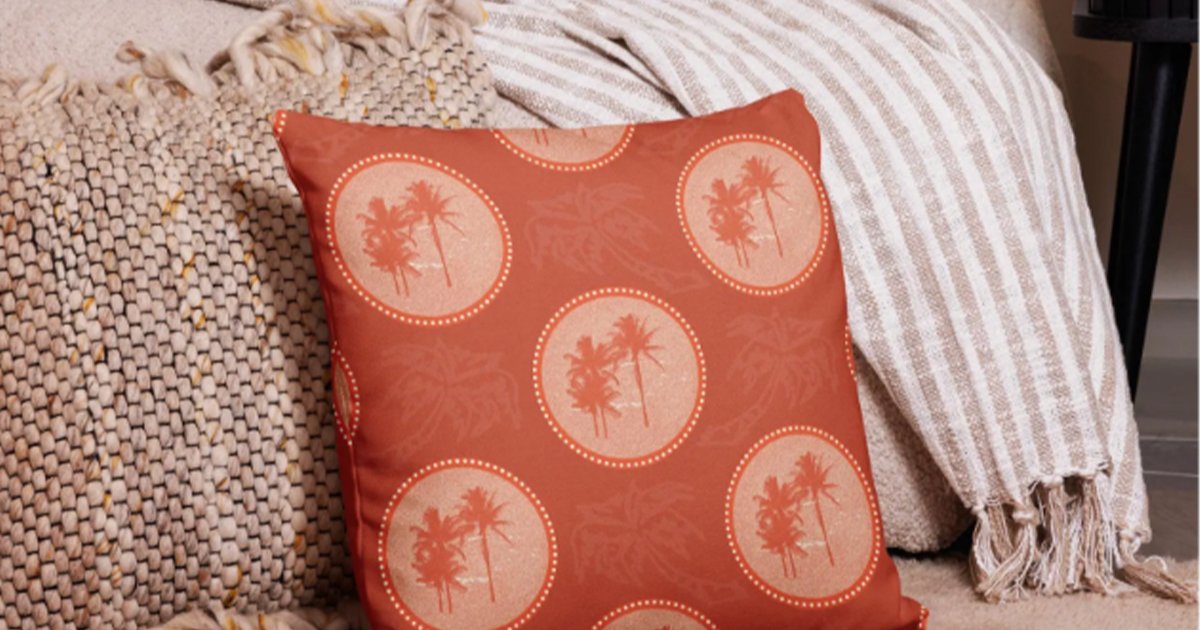
Throw pillows are such a versatile home decor accent. You can change them out with the seasons and they are such a great way to add a pop of color or an inspirational design. But what do you do when your pillow covers get dirty?
With all of the exposure to dust, accidental spills and pet hair, a beautiful throw pillow can lose its appeal if not cared for properly. Depending on the type of fabric and whether or not the pillow cover is removable or not, there are various ways to get the job done.
I’ll outline the steps to take in cleaning and caring for a variety of different throw pillow fabrics so that you can keep your pillows looking fresh and new.
Polyester Linen Feel Pillow Covers
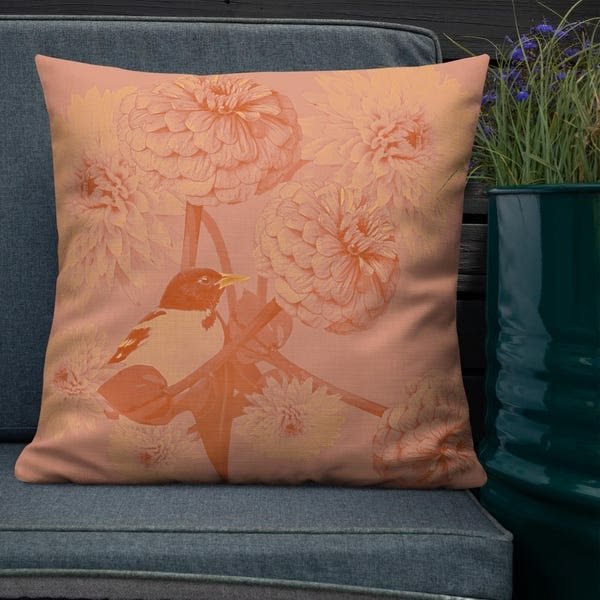
The throw pillows that I sell are 100% polyester with a premium linen feel. They are quite durable and easier to clean than a true linen fabric.
Just machine wash the covers only in cold water and do not use bleach. Hang to dry or tumble dry on low heat to reduce shrinkage. Do not dry clean as dry cleaning solvents can alter the dye.
Cotton Pillow Covers
Cotton pillow covers can be machine washed in either cold or warm water without bleach. They can be dried either by tumble drying on low or hanging on a line. It’s better to avoid dry cleaning cotton covers unless they have embellishments or directions to do so on the care label.
Linen Pillow Covers
True linen covers require a bit more care than linen feel covers. Because linen is made up of flax fibers, it is more sensitive to heat, friction and harsh detergents. It’s best to hand wash these covers or wash them on the delicate cycle of your machine. Use a mild detergent and do not use bleach. Hang to dry because linen stiffens up in the dryer.
Silk Pillow Covers
Satin or silk is quite delicate and you need to be very careful when cleaning to not snag. Once wet, a silky satin fabric can lose its strength and be prone to broken fibers. Hand washing with a delicate detergent is necessary and of course, no bleach. Drying should be done by laying the cover flat in a warm dry spot inside. Do not hang outside in the sun.
A synthetic silk blend is often less delicate and may be ok to wash on the delicate cycle of your machine. Just check the care label. If you’re not sure, then treat it like a true silk fabric.
Velvet Pillow Covers
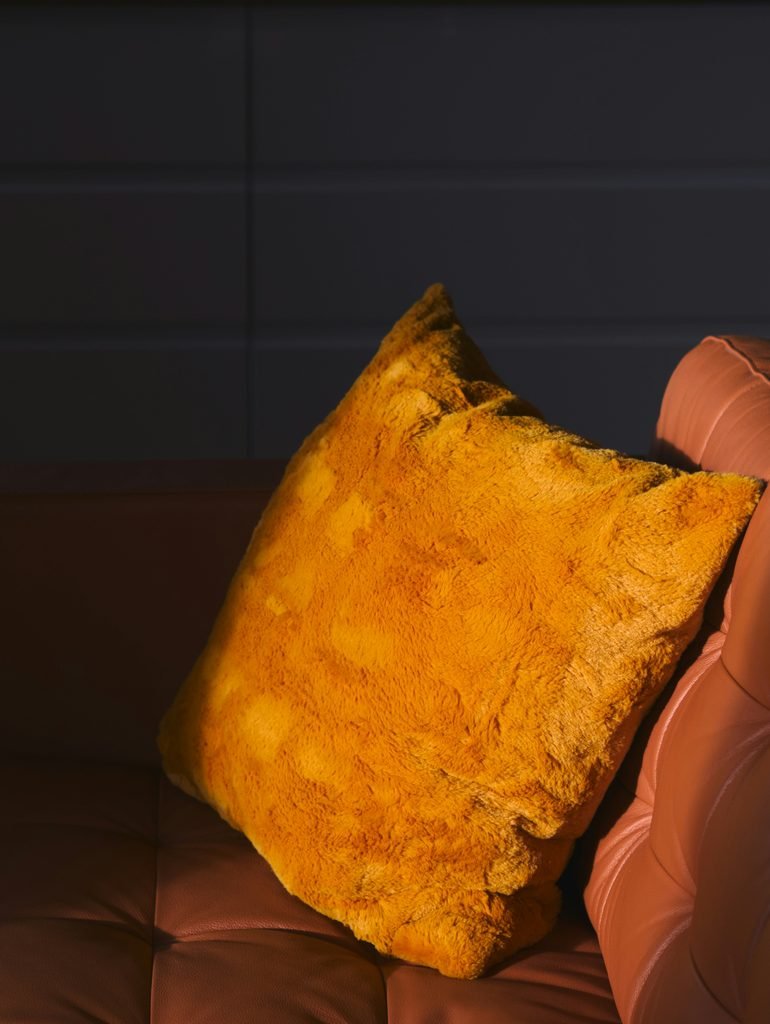
The best way to handle velvet pillow covers is to either vacuum or spot clean them. Wet a soft white cloth and wring it out so it is just damp. Blot the stain gently going with the direction of the pile. You can use a mild soap when wetting, just finish with a rinsed cloth.
Fur Pillow Covers
As delicate as fur pillow covers seem, they can be hand washed with water and a mild detergent. First, remove the pillow cover from insert and turn it inside out to protect the fibers. Fill the sink with a little detergent and cold water. Then, submerge the cover into the water and lightly agitate with your hands. Rinse under cold running water. Remove the access water by placing the fur cover between two towels and blotting. Do not wring the pillow cover. Lay the cover flat to dry.
For faux fur pillows, you may be able to wash them in the machine on delicate. Just insert the pillow cover into a laundry mesh bag to protect the fibers. Lay flat and air dry.
About Pillow Inserts
1. Down, Down-Alternative, and Polyester-Fill Inserts
Pillow inserts made with these materials can go safely into a washing machine with the following instructions:
- Wash two inserts at the same time at each side of the drum to keep the machine balanced.
- Use a gentle cycle with cold or warm water.
- Add a small amount of mild detergent. Don’t use fabric softener as it coats fibers.
- Run an extra rinse cycle to remove all soap residue.
- Tumble dry on low or no heat with dryer balls or clean tennis balls to break up clumps and restore fluff. Keep in mind that down and feather inserts can take multiple hours to dry completely.
2. Memory Foam and Latex Inserts
Never machine wash these inserts as the agitation will tear the foam apart. Instead, spot clean by dabbing stains with a cloth dipped in mild soapy water or spray lightly with hydrogen peroxide to lift the stains. Rinse gently with a damp microfiber cloth and let the insert air dry.
Throw Pillows with Non-Removable Covers
If you have a pillow that does not have a removable cover, you should check the care label for instructions. Depending on the fabric, you will either need to spot clean, dry clean or vacuum. You may be able to toss throw pillows, with durable fabric, right into the washing machine as long as the filling isn’t foam or latex. You’ll also want to balance the washer with something like another pillow or a white towel or two.
Care Labels
Since there are so many different blends that can make up the material of the fabric, it’s always best to check the care label. Here are some common codes you may find on a label:
W (Water-Based Cleaning): Safe for machine or hand washing with water-based cleaners. Most cotton and polyester covers fall into this category.
S (Solvent-Based Cleaning): For dry cleaning or special upholstery solvents only. This is common for delicate fabrics like silk or some blends.
WS (Water or Solvent): Fabric can be spot cleaned with either water or a solvent. It does not automatically mean it can be washed in the machine. It’s good to test a small area first to see how the fabric reacts.
X (Vacuum or Brush Only): These fabrics are very delicate, specialty, or non-colorfast decorative textiles or rare fibers.